The Justifier
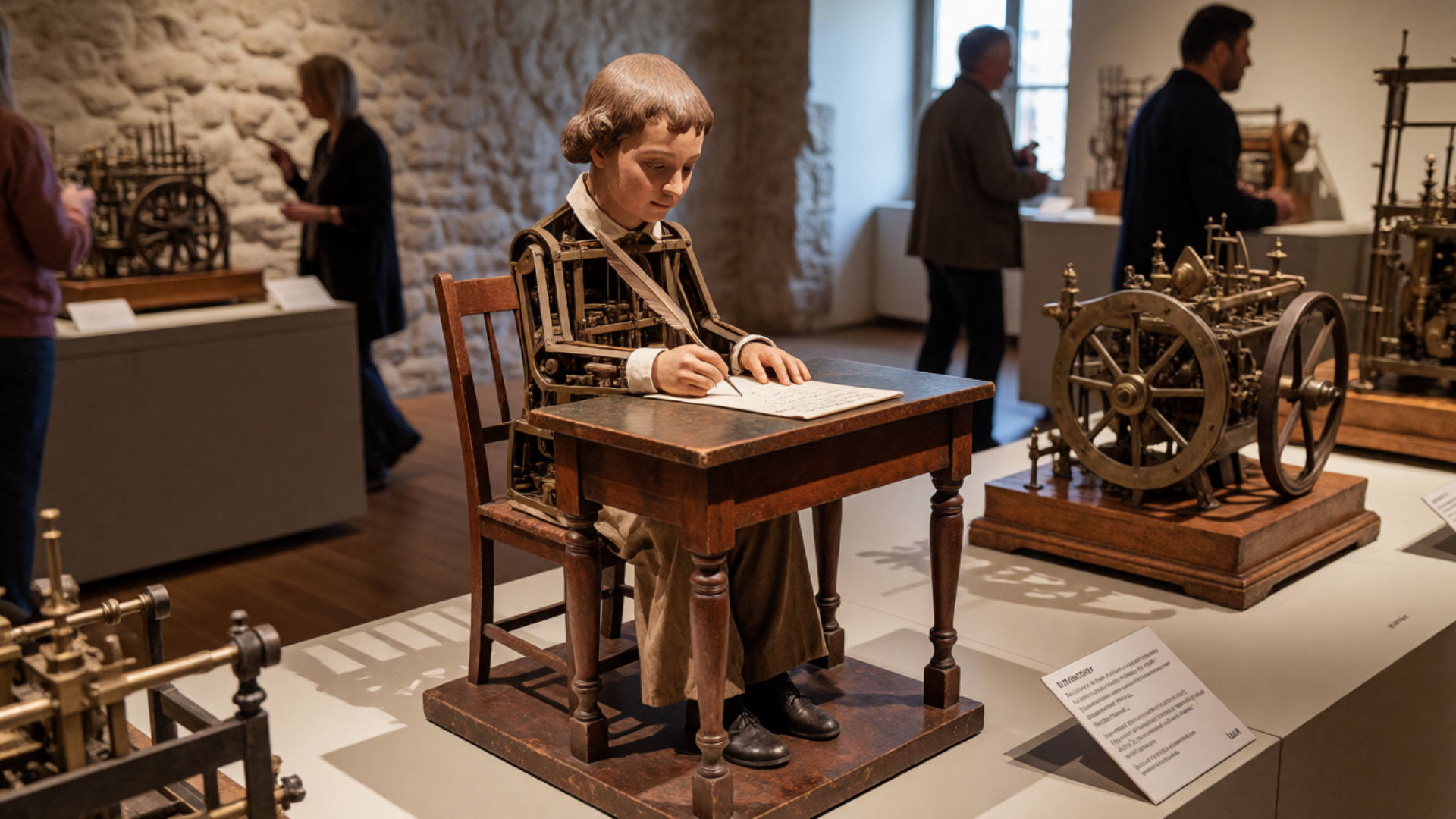
Imagine Apple announces a brand-new gadget called The Justifier. People camp outside the store overnight to get one. It's beautifully designed, surprisingly small, fits in the palm of your hand, and does exactly one thing. Whenever you do something you don't quite understand, you press a button and ask it why.
On the drive home from school your three kids are fighting in the back seat. You ask them to stop, but they ignore you. You ask again and somehow they get even louder. You feel the pressure building up behind your eyeballs. Then, before you know it, you hear yourself shouting, "Stop fighting right now or I'm going to crash this car on purpose!"
Once you get home and calm down, the threat looks so ridiculous you're almost laughing at yourself. Curious, you pull out your new gadget.
"Why did I just yell at my kids?"
The screen lights up almost instantly. "Because they pushed your buttons."
"Hmm," you think. "That sounds about right."
Later that night you're sitting at your computer. You have an important project due tomorrow, but instead of working you've somehow spent the last three hours watching videos and reorganizing your desktop. It's nearly one in the morning before you finally begin.
You press the button again.
"Why did I procrastinate?"
"You were waiting until you felt motivated."
Reasonable enough.
The next afternoon someone brings cupcakes to work. You're trying to lose weight, but five minutes later you're holding an empty wrapper.
"Why did I eat the cupcake?"
"You deserved a treat."
By the end of the week you've asked hundreds of questions.
Why did I buy those new shoes?
Why did I marry him?
Why did I avoid calling the dentist?
Why did I press snooze three times this morning?
Why did I say that?
The remarkable thing isn't that the Justifier answers. The remarkable thing is that it always has an answer. It never says, "I'm not sure." It never sits quietly for 3 days to gather more information. It never replies, "That behavior was probably produced by hundreds of different processes interacting in ways that can't be compressed into a single sentence." No, it answers immediately every single time.
Now imagine someone else owns one. Your spouse explains why they forgot your anniversary. Your coworker explains why they missed the deadline. Your neighbor explains why they bought another boat. Your friend explains why they're still with the person they've been trying to leave for the past four years.
Suddenly the little machine doesn't seem nearly as convincing. You catch yourself thinking, "That's an interesting explanation."
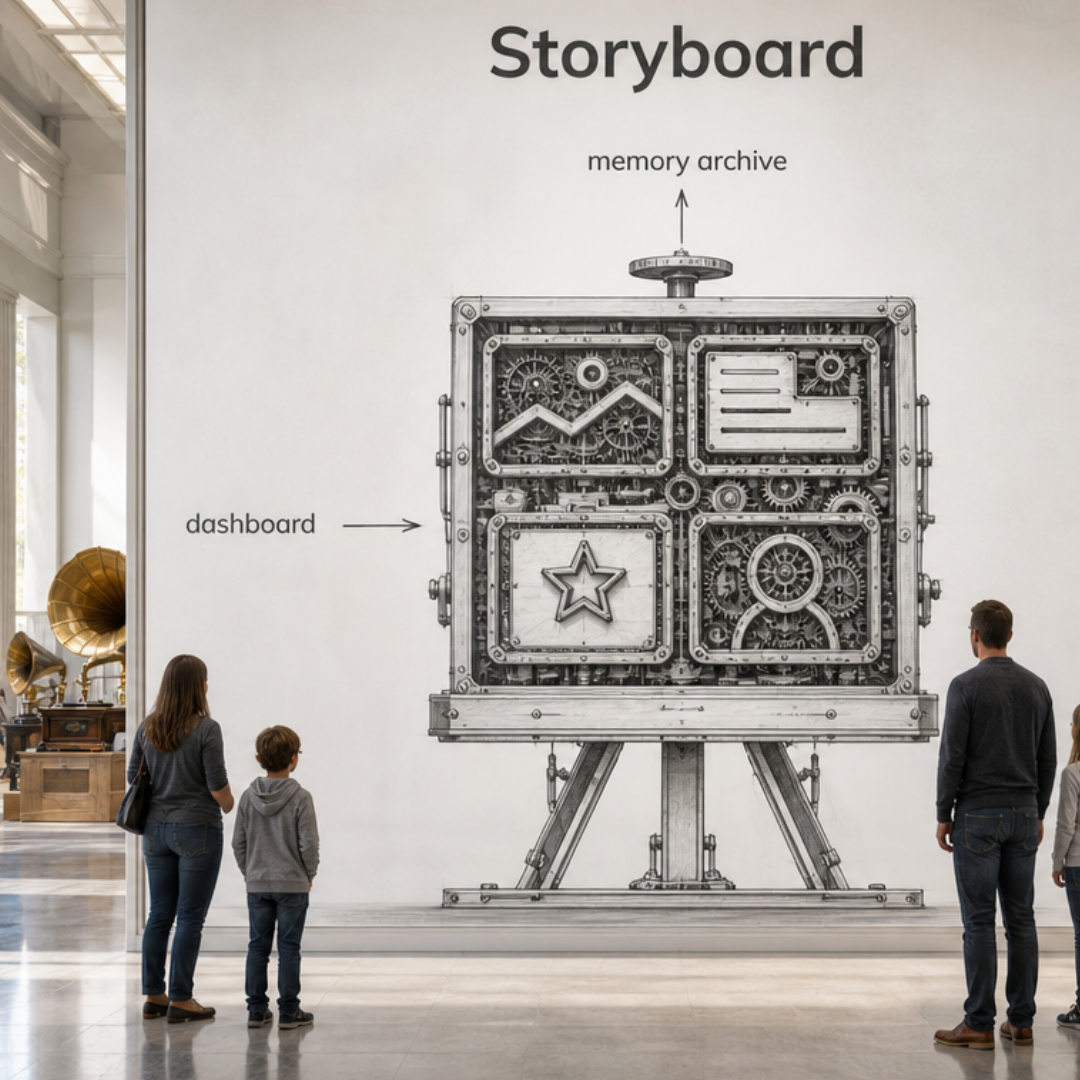
The surprising part is that no one has to invent a machine like this. You already have one. In the Overreaction Machine it's called the Storyboard.
Its job isn't deciding what you'll do. By the time it starts talking, you've already decided and often done it. Its job is something completely different. It takes whatever the rest of your machine just produced and immediately begins answering the question, "Why?"
Sometimes the answer is remarkably accurate. Often it leaves important pieces out. Sometimes it gets the story almost completely wrong, but that's almost beside the point.
The important part is that its job is to produce an explanation. If you ask yourself why the checkout clerk in the grocery story line was so rude, the Storyboard answers. If you ask yourself why your brother is so self-centered, the Storyboard answers. If you ask yourself why your mom insists on driving you crazy, the Storyboard answers. It’s a story making machine.
For most of your life, you've probably mistaken those stories for reality itself. We assume the Storyboard is looking for and reporting the truth. The Overreaction Machine makes a different claim. The story is an output making sense of what you’ve already decided. The machine just handed you a justification.
That doesn't automatically make it wrong. It also doesn't automatically make it right. It simply reminds you where the story came from.
Tomorrow, your kid will explain why they don’t have their homework ready. Your spouse will explain why they forgot to pick up eggs from the grocery story. A friend will explain why they can’t pick you up from your colonoscopy next Friday. You'll explain why you didn’t call your mother.
Listen carefully. You may hear something you've never noticed before. Not the person, not the behavior, but the Storyboard.
Explore MindStretched
Once you can see the machinery, human weirdness stops looking quite so mysterious.