A perfectly good toilet was right there
How can giving someone another choice make their original choice more expensive?
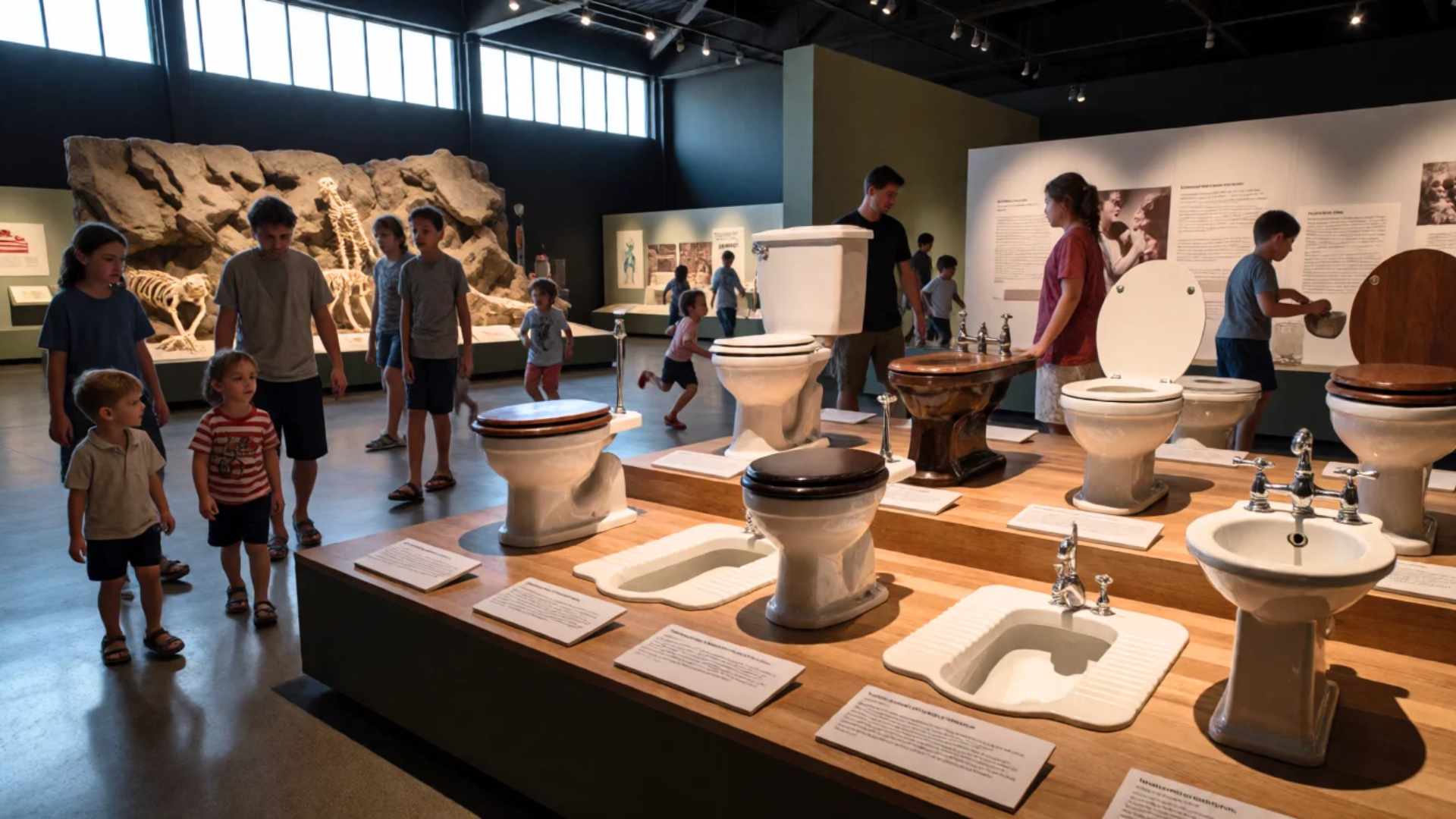
Susan was in a public restroom in Malaysia, standing in front of two empty stalls. One had a regular seated toilet. The other had a squat toilet. Both appeared reasonably clean, both were available, and Susan knew how to use both. She'd encountered squat toilets the previous week, so there wasn't anything particularly mysterious about them anymore.
She stood there for a moment, then chose the squat toilet. Why? Well, why not? She could use a seated toilet every day for the rest of her life. Squat toilets weren't something she encountered at home, and there was something fun about using one while she had the chance. It wasn't exactly an adventure worthy of a travel memoir, but it was an opportunity, and she wasn't going to pass it up.
If the restroom had contained only a seated toilet, Susan would have used it without a second thought. She wouldn't have been disappointed or felt she'd missed anything. But put a squat toilet beside it, and suddenly the decision changes. The seated toilet is still perfectly adequate, but choosing it now means giving up something else. Nothing about the seated toilet changed. Yet the cost of choosing it did.
This is something civilization does rather quietly. It creates new possibilities, and those possibilities change the choices humans were already making. We usually think of more options as an improvement, and often they are. But adding an option doesn't just give a machine another trajectory to consider. It can change the anticipated True Cost of the trajectories that were already available.
A new educational opportunity can change what students feel they ought to pursue. A new technology can change what businesses feel they can't afford to ignore. A new mode of transportation can create a decision about where to go that previously wasn't being considered. An innovation that initially offers an advantage can eventually become something people feel they can't afford to go without.
Nobody has to remove the original options. They can remain exactly as they were. The arrival of an alternative can be enough to change what choosing them costs. It can make an unchanged choice more attractive, less attractive, or harder to commit to, simply by introducing an alternative.
Back in Malaysia, Susan has finished lunch and decides to use the restaurant bathroom before leaving. She opens the door and finds one stall and one seated toilet. Excellent, no decision required.
But, instead of toilet paper, there’s a wall mounted squirt nozzle. Apparently, civilization has decided that going to the bathroom wasn't complicated enough.
Explore MindStretched
Once you can see the machinery, human choice stops looking quite so weird.