You are creative. Just not where you think.
Picture Fourth of July and a regular middle-class family inventing some ridiculous contest for their annual gathering. We've voted on the best pie, the worst vacation story, the person most likely to survive on a deserted island. This year my brother stood up after lunch, tapped his glass with a fork, and announced that we were finally going to settle an old argument.
"We're voting for the most creative person in the family."
Everyone nodded. It sounded easy. It wasn't.
"Guess who I'm voting for," my cousin said before anyone could speak. "Aunt Sue. She just spent forty-five minutes telling me a story about her shoelace, and somehow I couldn't stop laughing."
My uncle shook his head. "That's not creativity. That's just talking."
"Oh really?" my cousin said. "Then explain Grandpa."
Everyone turned toward the garage. Grandpa had disappeared ten minutes earlier carrying a broken lawn chair. He came back holding two hose clamps, half a broom handle, and what looked suspiciously like an old hockey puck.
"It should last another twenty years," he said. Nobody asked how.
My sister laughed. "You're both wrong. It's Grandma."
"What? She doesn't even do arts and crafts."
"So? Give her five random leftovers and she'll make dinner taste better than the meal they came from."
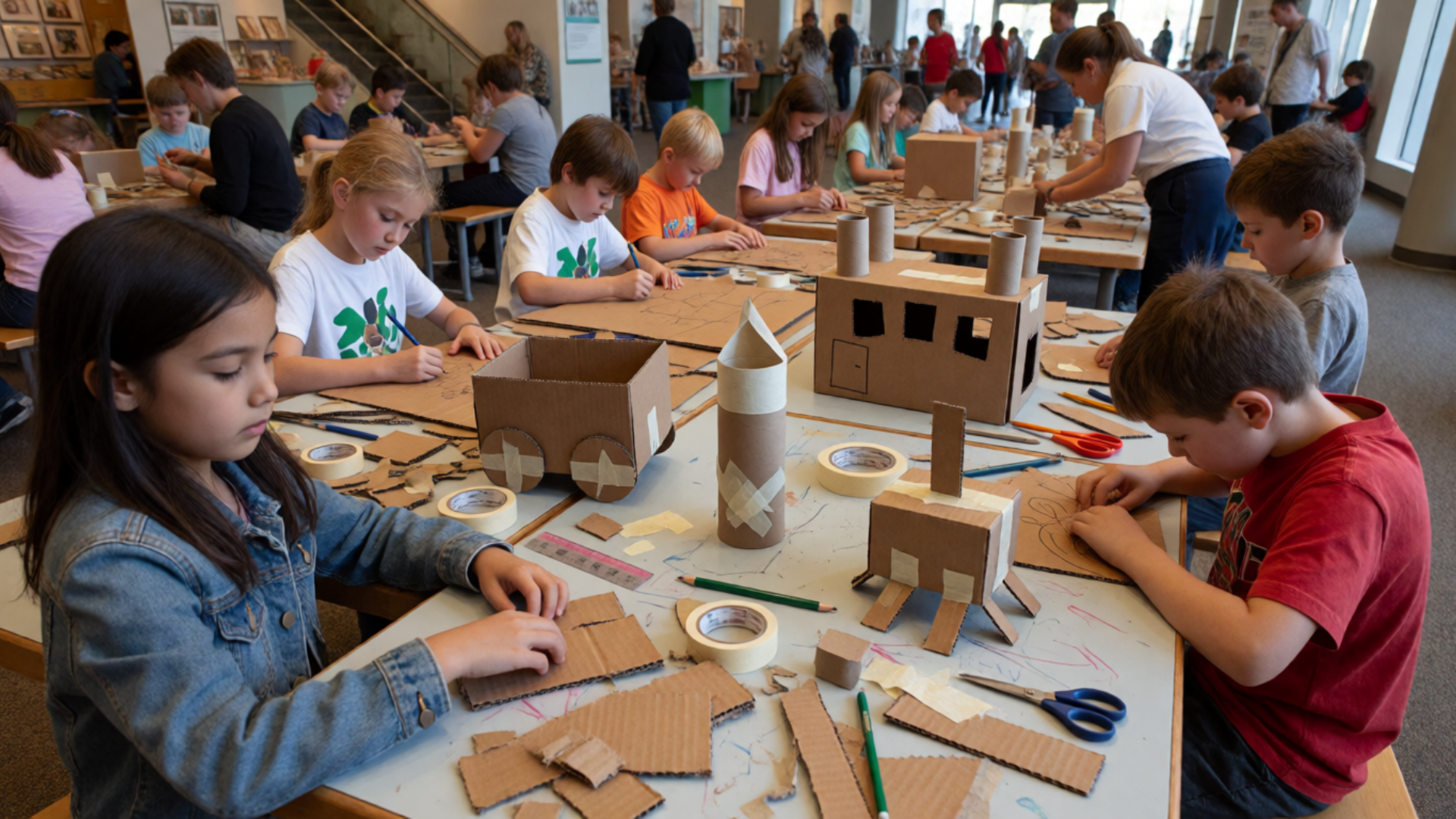
Before anyone answered, my nephew ran through the backyard wearing a cardboard box.
"It's not a box," he corrected us.
"It's a submarine."
"I thought it was a spaceship."
"It sank."
Nobody questioned the explanation.
Then my brother looked across the picnic table.
"What about Karen?"
The whole family laughed.
Karen had spent the last hour explaining everything that could possibly go wrong before dessert. The grill could catch fire. The dog might knock over the lemonade. Somebody could trip over the extension cord. It might rain. The potato salad could make everyone's stomach do flip flops.
"That's definitely not creativity."
"Why not?" my brother asked.
"Because she's just worrying."
"Maybe," he said. "But she's imagined more possible futures before lunch than the rest of us combined."
The conversation went on for another hour.
Someone insisted on my teenage niece because she rearranged her bedroom every other weekend and somehow made the same furniture look completely different every time.
Then somebody mentioned my dad, who couldn't walk through a hardware store without redesigning half the tools in his head.
Nobody won the vote. Not because everyone deserved a trophy, but because nobody could agree on what creativity actually was.
Most of us grow up believing creativity belongs to artists, musicians, writers, and inventors. Everyone else quietly removes themselves from the category. "I'm not creative," they'll say, usually because they can't paint or don't write novels.
The family picnic suggested something very different.
Nobody there stopped generating possibilities. Grandma generated meals. Grandpa generated mechanical solutions. Aunt Sue generated stories. Karen generated disasters. My nephew generated imaginary worlds.
None of them were doing the same thing, yet they were all asking the same question. What else could this become?
Maybe that's why creativity is so difficult to recognize. We usually notice it only after it produces something we admire like a painting, a song, a new invention, a successful business. By then we've forgotten about all the quieter forms that happen every day. The mechanic imagining a better tool. The teacher inventing a new way to explain fractions. The friend who somehow tells every story better than everyone else at the table. The parent who turns a rainy afternoon into a treasure hunt with nothing but couch cushions and a flashlight.
Creativity isn't limited to one profession, one personality, or one talent. Creativity is not good or bad, it’s morally neutral. The same mind that invents a better engine can invent a better scam. The same mind that writes a symphony can imagine twenty-seven ways a vacation could end in disaster. Creativity is simply creating.
Maybe we've been asking the wrong question all along. Instead of asking whether someone is creative, try asking what their mind can't stop creating. You may discover that creativity isn't rare at all. It's simply hiding in places we've never thought to look.
Explore MindStretched
Once you can see the machinery, human choice stops looking quite so weird.