If behavior is mechanical, can people change?
Before anyone hears the rest of Mechanology, they often have a reaction to the sentence "Behavior is mechanical." It sounds as though people are trapped, as though the rest of your life has already been decided, or like there's no point trying to change because the machine will simply keep producing the same behavior forever. If that's what the sentence meant, it would be a remarkably depressing theory. It also wouldn't survive reality.
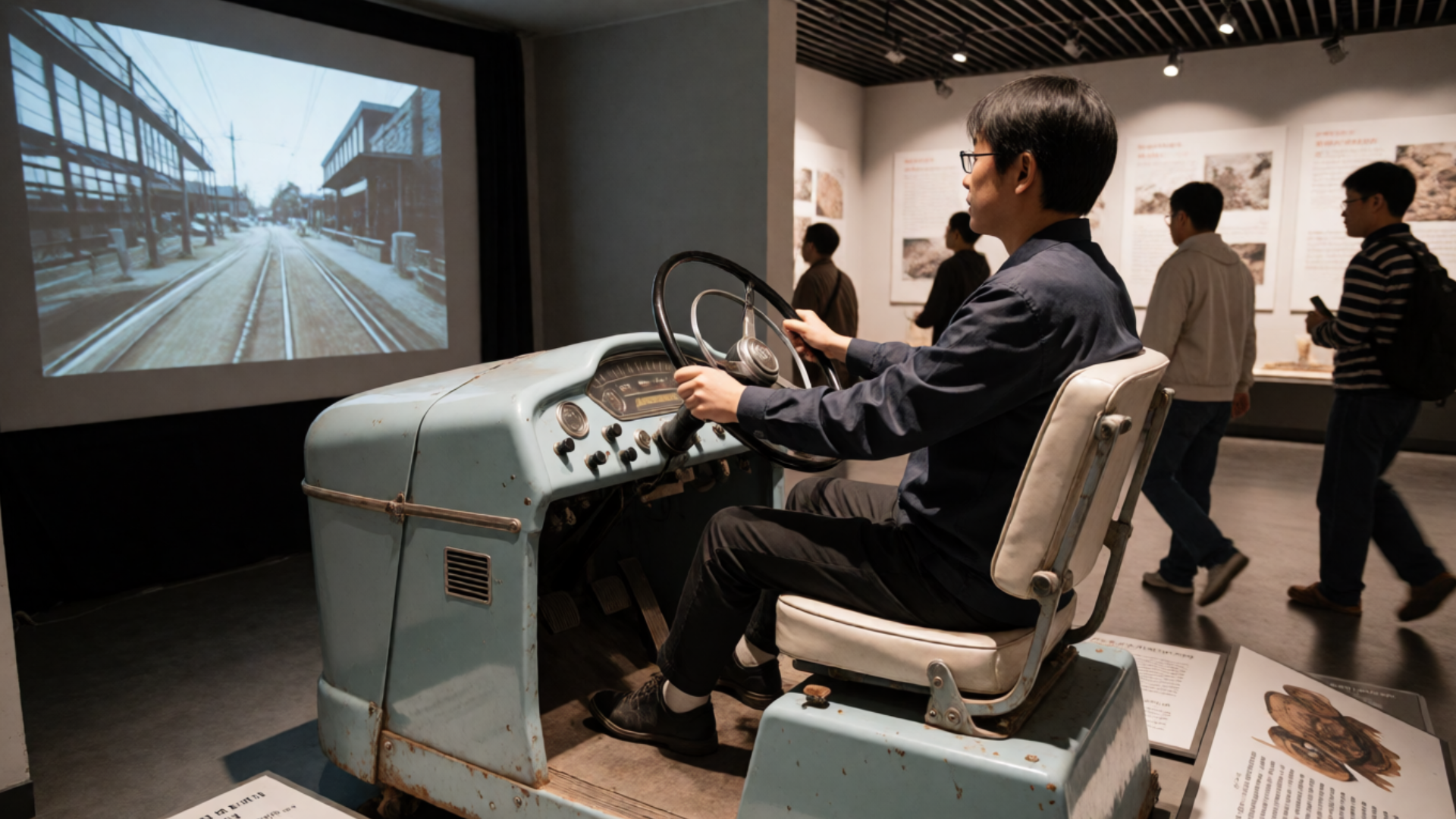
The evidence is everywhere. The first time you drove a car, every decision required your full attention. You checked the mirrors three times, gripped the steering wheel a little too tightly, and thought carefully about every lane change. Years later, you carry on a conversation while driving to the grocery store and hardly remember the trip afterward. The behavior changed dramatically. Not because you became a different person, but because the projected cost of driving changed.
The same thing happens every time someone learns a skill. Riding a bike becomes easier, a phone app that once felt tricky eventually becomes routine, the first day at a new job feels completely different from the hundredth. The architecture producing the behavior didn't disappear, it updated.
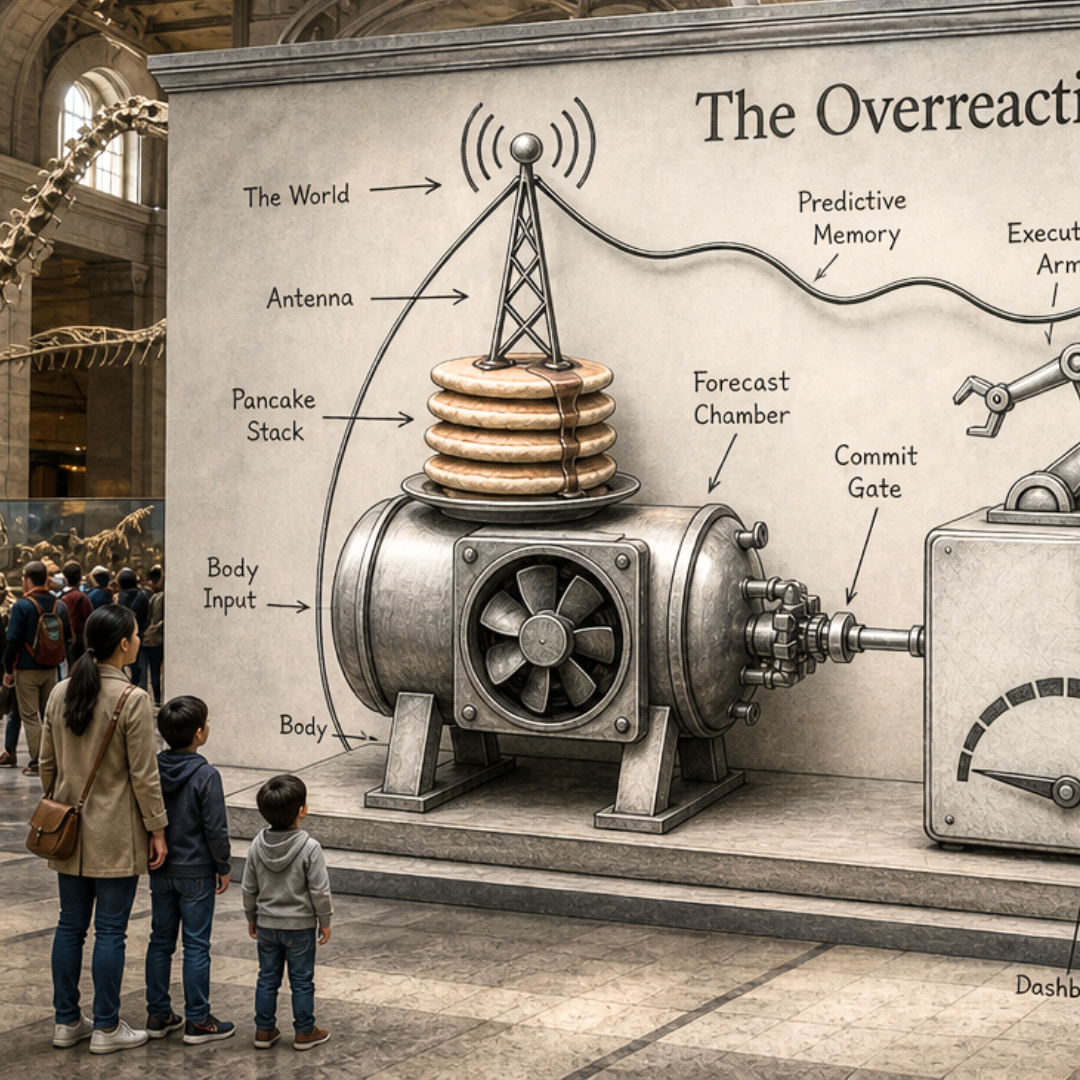
That's because behavior is mechanical, while the machine is adaptive. The Overreaction Machine continuously receives new information, forecasts new “what-ifs”, and updates what those futures are expected to cost. Some experiences leave those costs almost untouched, others quietly reorganize them. A future that once seemed impossibly expensive can gradually become affordable. Another that once seemed easy can suddenly become far more costly. The machine is still behaving mechanically, but it's simply behaving according to a different cost landscape than it was yesterday.
A person may try to quit smoking for decades. They stop for a week, start again, try nicotine gum, attend counseling, switch methods, and make the same promise repeatedly. Everyone around them knows smoking is dangerous, and they know it too. The information is not missing.
Then they receive a diagnosis. The diagnosis doesn't simply add one more warning to the pile. It changes what the next cigarette predicts. Smoking is no longer connected mainly to relief, routine, withdrawal, or the difficulty of quitting. It is now connected to treatment, physical decline, shortened time with loved ones, and whatever else that diagnosis has made newly available to the forecast. For some people, the cost landscape changes so sharply that they never smoke again. It can look as though they finally discovered enough willpower. Mechanically, something else happened. Their future was repriced.
This also explains why so much advice fails. Advice doesn't update the machine by itself. Only cost-altering evidence does. You can tell yourself a hundred times that public speaking isn't dangerous. You can repeat affirmations every morning. You can stand in front of the mirror in a power pose and say, "I'm confident." But if nothing changes the projected cost of standing in front of an audience, the behavior won't change. The machine isn't refusing to listen. It simply hasn't repriced that future.
The same principle explains why one article can permanently change someone's life while another is forgotten before lunch. Reading words isn't enough. Most information passes through the machine without changing anything important. Occasionally, however, a new observation reorganizes how future costs are calculated. Suddenly an old fear becomes unnecessary, sometimes a possibility that never existed before appears. The same person begins behaving differently, not because they decided to become someone new, but because the machine is now forecasting a different future.
This is why Mechanology isn't a fatalistic universe. A functional machine updates it's program. The opposite of a mechanical system isn't freedom, it's a broken machine.
Behavior is mechanical precisely because it changes according to discoverable scientific rules. Once the projected cost changes, the behavior changes with it.
Explore MindStretched
Once you can see the machinery, human choice stops looking quite so weird.