Nope, people aren’t machines
People often object to a mechanical explanation of human behavior by saying, "People aren't machines." It's such a common response that it has become almost automatic. The interesting part isn't whether the statement is true. Of course people aren't machines. The interesting part is why we almost never make the same objection anywhere else.
A cardiologist explains that the heart beats because electrical signals move through specialized tissue in a particular sequence. An ophthalmologist explains how light passes through the eye before becoming vision. An orthopedic surgeon explains why a damaged tendon changes the way someone walks. Nobody interrupts to say, "People aren't machines." Nobody imagines the doctor is denying that the patient loves their family, enjoys music, laughs at old stories, or worries about the future. Explaining a process has never been mistaken for reducing a person.
Then the conversation turns to behavior, and something changes. Someone always assumes the worst. Someone else apologizes constantly. One person carries an argument for twenty years while another forgets it before dinner. One sibling meticulously cleans their room. The other throws clothes over a chair without a second thought. Suddenly we become uncomfortable with explanations that sound mechanical. We reach instead for labels. Stubborn. Lazy. Anxious. Controlling. Dramatic. Confident. Sensitive. Before long the label quietly becomes the explanation.
Imagine meeting two people who react completely differently to exactly the same situation. One hears criticism and spends the next week replaying the conversation. The other shrugs and goes out for lunch. One can never quite bring themselves to say no. Another has no difficulty doing what they want to do. One immediately imagines everything that could go wrong. Another sees possibilities almost everywhere they look.
What if, instead of “people pleaser” or “selfish”, we asked, What produced those differences? Not which one is right or which one is healthier. What caused them? That question changes the entire investigation.
We already accept mechanical explanations whenever they produce extraordinary abilities. We just apply that belief selectively. For Einstein, we happily say, "His brain worked differently." Same for a chess grandmaster, a musical prodigy, someone with ADHD, someone with cerebral palsy, a free solo climber. Nobody says, "No, no. People aren't machines." Instead we immediately assume there are differences in how their brains operate.
But when the behavior is ordinary, especially when it's socially inconvenient, we suddenly stop asking about the machinery. The person who worries constantly isn't thought to have a brain operating differently. They're simply called a worrier. The person who can't throw anything away becomes sentimental. The person who apologizes for everything lacks confidence.
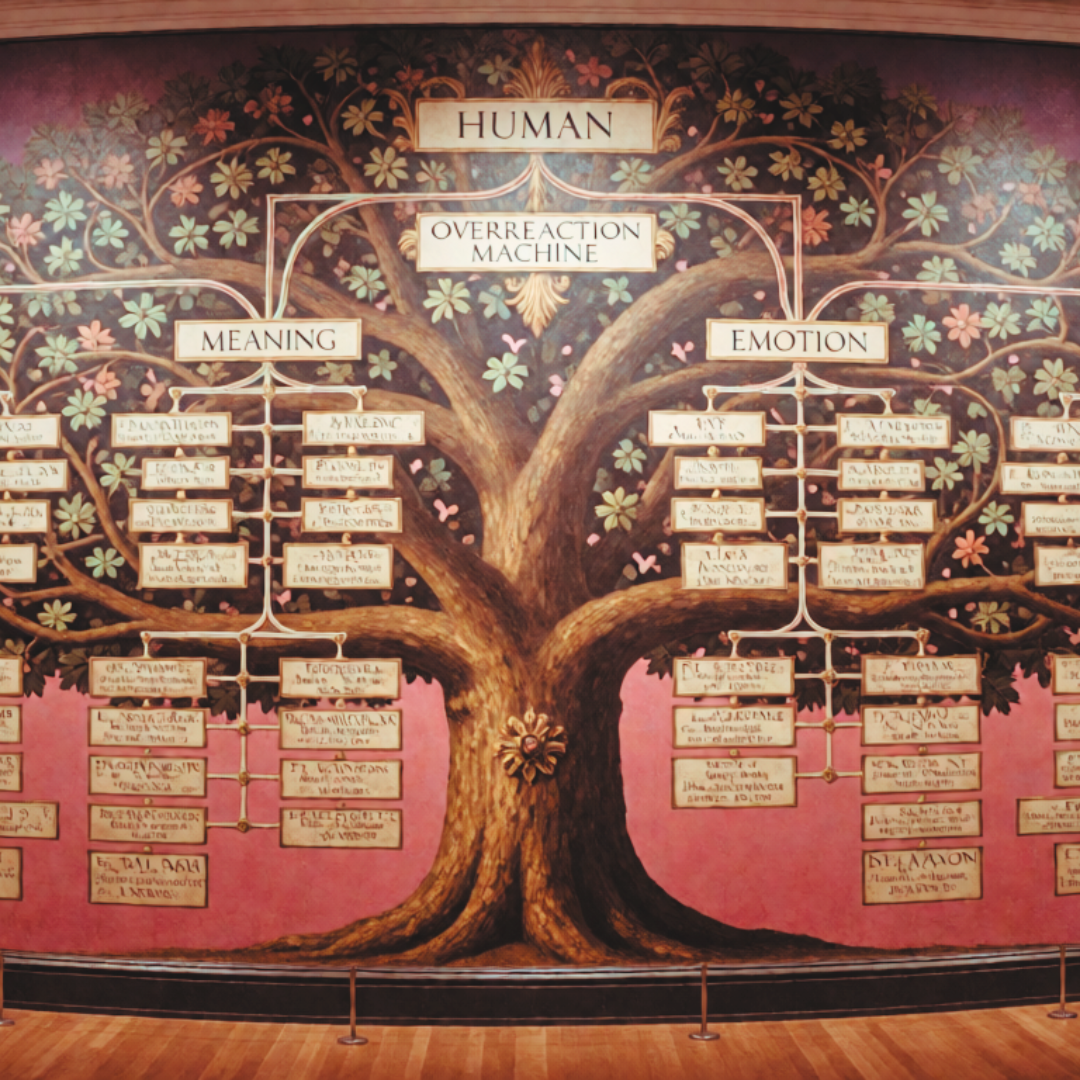
We explain exceptional behavior with different brains. We explain ordinary behavior with different personalities.
Suppose someone becomes angry far more quickly than you do about the same thing. There are only two possibilities. Either the behavior appeared for no particular reason, or something happened before the behavior that made it the natural outcome. If the second possibility is true, then the anger is just the aftereffect.
The same is true of every repeated behavior. A person who never asks for help. A person who always needs reassurance. A person who can't throw old things away. A person who avoids conflict at almost any cost. A person who leaves relationships the moment they become difficult. None of those behaviors explain themselves. They simply tell us that something happened before we ever noticed the behavior.
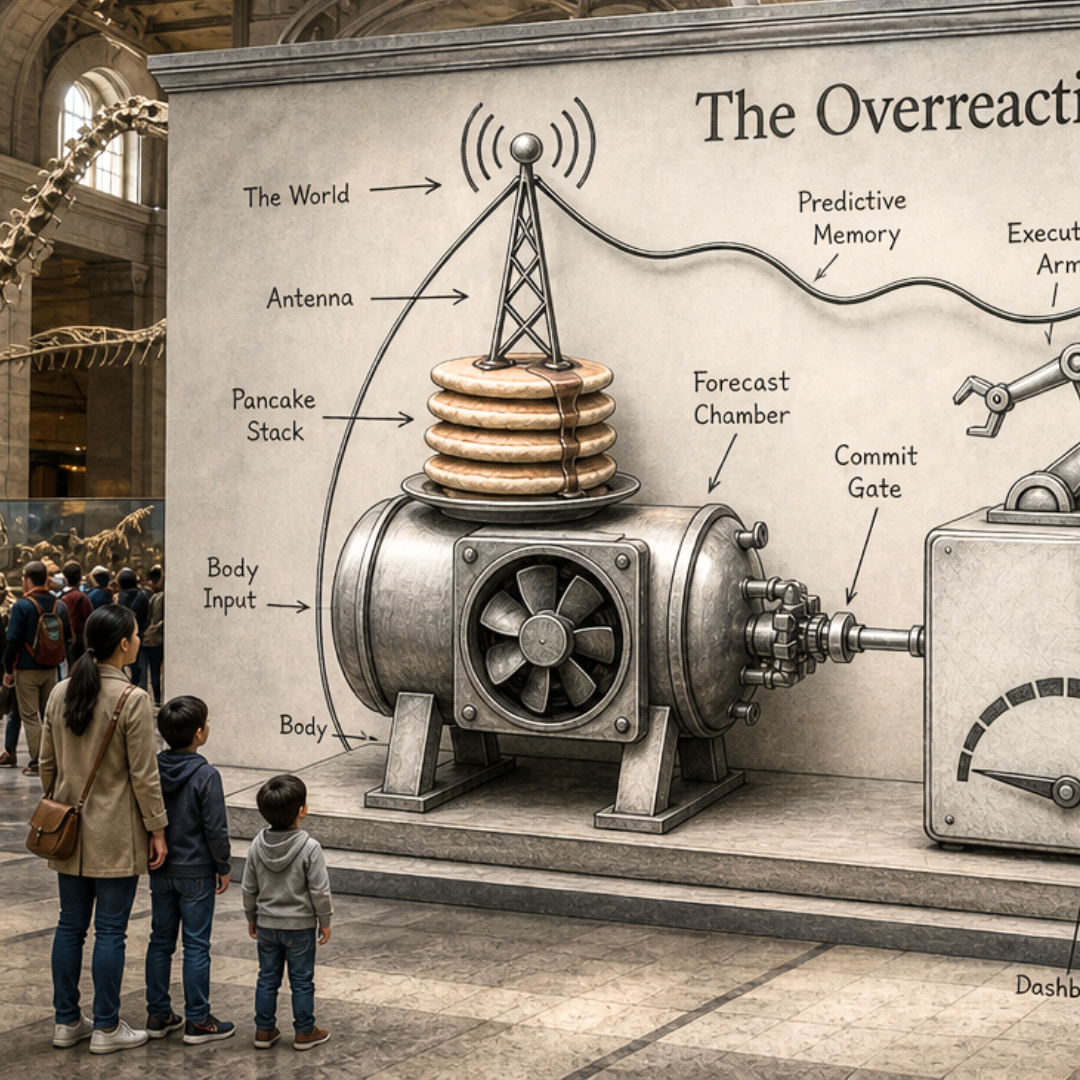
That is the entire reason Mechanology exists. Not because people are machines, but because explanations are better, and more accurate, than labels. Once behavior begins following discoverable processes instead of mysterious personality traits, something unexpected happens. Questions that used to end with a label begin opening instead. What happened before that decision? What sequence naturally led here? The investigation keeps going.
When we look at someone and think, "Ah...I understand why they did what they did." That doesn’t mean we suddenly agree with them or approve of what they did. But, it finally makes sense.
The strange part is what happens next. Most people think a mechanical explanation would make us less caring, less empathetic. It often does the opposite. The more understandable behavior becomes, the harder it is to dismiss someone with a single word, "She's stubborn." Questions become curiosity.
Investigation not only changes the way we look at other people, it also changes the way we look at ourselves. "I don't know why I said that." "I don't know why I keep doing this." "I don't know why I reacted so strongly." Those sentences quietly become something else. "Ah, I see...there was a reason."
Mechanical explanations don't reduce people to machinery, they replace labels. The opposite of judgment is understanding, which has a curious side effect. It quietly changes how you feel.
Explore MindStretched
Once you can see the machinery, human choice stops looking quite so weird.