Chronic Pain
When pain shows up, disappears, and comes back like it has its own schedule.
You didn’t injure anything.
You didn’t do anything reckless.
And yet, today hurts more than yesterday did, for reasons no one can explain.
Why this door exists
Because pain keeps behaving like this:
- You wake up already behind.
- A normal day suddenly becomes a low-function day.
- Stress, conflict, or surprises make everything louder.
- Rest doesn’t reliably fix it.
- Explanations arrive late, if at all.
Tests come back “fine.” Scans don’t match the experience.
And the pain keeps doing what it wants anyway.
That’s chronic pain.
What’s actually happening (in plain body language)
At some point, the body stops waiting for damage before reacting.
Instead of:
- injury → pain
It starts running:
- prediction → pain
So pain can spike:
- before anything happens
- after something minor
- during stress
- during rest
- or for no obvious reason at all
This doesn’t mean the pain is imaginary.
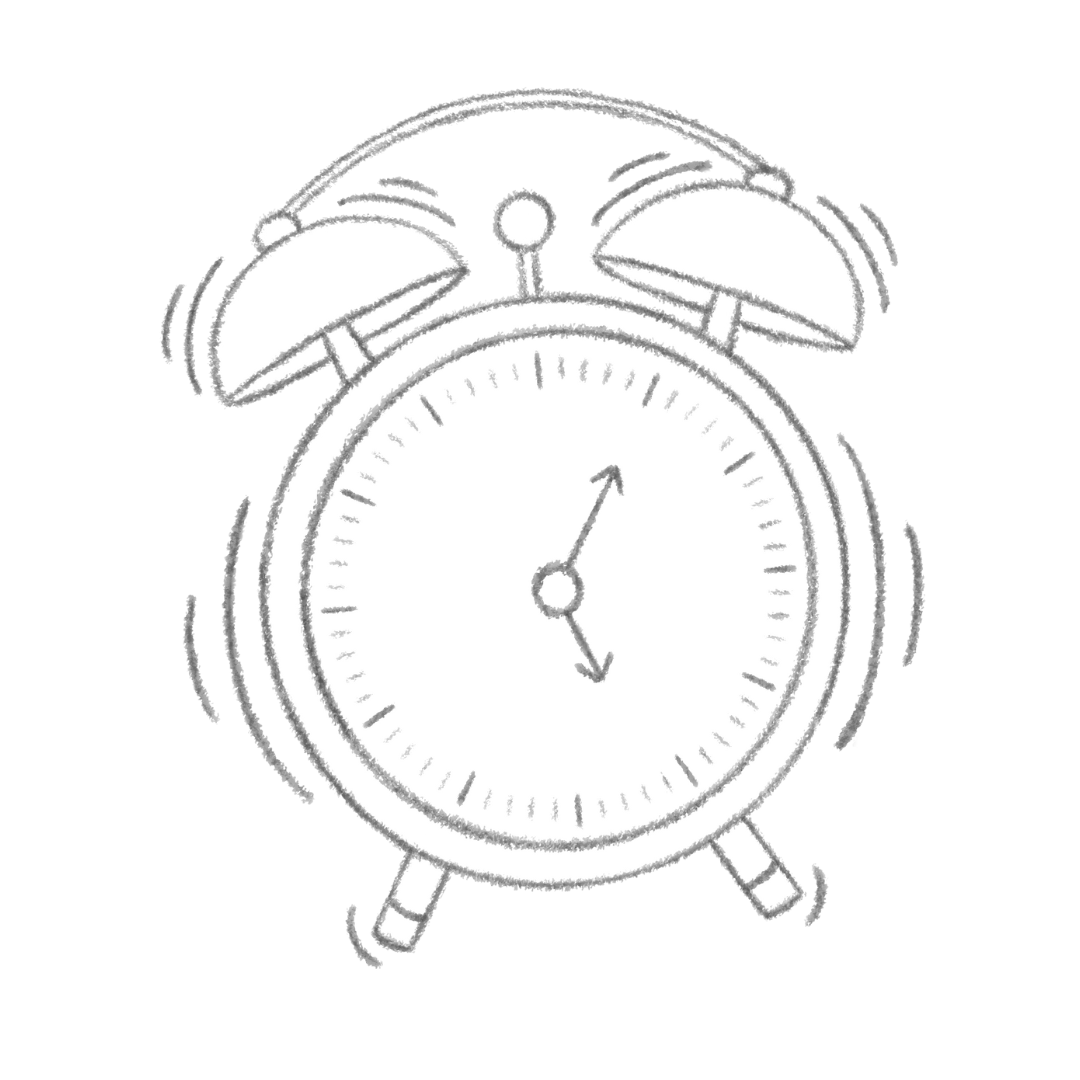
It means the alarm system is sensitive... and fast.
Quick Check: Which of These Is Familiar?
No diagnosing.
No fixing.
Just noticing.
- Pain gets worse when:
A. You’re under pressure
B. You’re overtired
C. Something unexpected happens
D. You feel emotionally loaded - Pain improves:
A. Suddenly
B. Briefly
C. Without explanation
D. Then returns anyway - When someone asks “what happened,” you think:
A. “I don’t know.”
B. “Nothing.”
C. “It doesn’t work like that.”
D. “I wish I could tell you.”
None of these describe exaggeration.
They describe how the alarm is behaving.

What this usually means
If most of that felt familiar, here’s the boring truth:
The pain isn’t random.
It’s reactive.
That’s why:
- “nothing happened” days still crash
- stress changes everything
- and pain doesn’t wait for permission
Same body.
Different alarm state.
A small check that helps right now
Is Your Pain Alarm Turned Up Today?
A one-page reference for noticing when the system is on high alert.
It helps you:
- recognize when sensitivity is elevated
- separate alarm state from injury
- stop blaming yourself for inconsistent days
It doesn’t reduce pain.
It doesn’t fix anything.
It just tells you what mode you’re in.
Get: Is Your Pain Alarm Turned Up Today?
One page.
No exercises.
No affirmations.
Just a clearer read on today.
Professor’s note
This wasn’t weakness.
It was sensitivity doing exactly what it’s designed to do.
Once you can see the alarm,
the pattern makes a lot more sense.
Bell rings.